Logo


MD. Yusuf - Best Brand Consultant in Bangladesh
I’m Md. Yusuf, aka Marketer Yusuf - a Brand Strategist and Visual Storyteller. I help businesses grow through research-driven branding and marketing campaigns that connect, convert, and inspire.
By Md. Yusuf
Brand, Logo
December 1, 2025
I have always been fascinated by how brands communicate with their audience. When Banglalink launched its new logo at the end of November, it sparked a lot of reactions online. Some people liked it, some didn’t, and many didn’t understand the reason behind the change.
From my experience, rebranding is much more than just a new logo. It is about a brand’s story, strategy, and vision for the future. As a brand builder and consultant in Bangladesh I know that behind every rebrand, there is a full plan—business direction, communication style, and how the audience will perceive the brand. Before judging any rebrand, including Banglalink’s, it is important to understand a few core ideas.
A Quick Look of Banglalink As A Brand & Its Rebranding in 2025
Banglalink started its journey in 2005. From the beginning, the brand used orange as its main color and introduced the iconic tiger steps. This identity represented energy, youth, speed, and a bold attitude. At that time, Banglalink’s main goal was to make mobile communication affordable, accessible, and modern for young Bangladeshis. Their orange branding and “tiger spirit” quickly became popular, and Banglalink built strong recall in the market. Over the years, the brand updated its visual style several times but kept the orange identity alive. Banglalink continued to position itself as a youthful, modern, and digital-minded telecom operator.
Finally, on 31 November 2025, Banglalink introduced a major rebranding and launched a new logo. The new mark uses a simplified shape with a clean, modern style. It moves away from the tiger steps and reflects a digital-first, future-ready direction for the brand.
What Rebranding Really Means
In Bangladesh, one of the biggest misconceptions is:
“Changing the logo means rebranding.”
Rebranding is much deeper.
Rebranding = Identity + Positioning + Tone + Mission + Vision + Visual System — everything rebuilt in a new direction.
This means rebranding is not only about changing a logo.
It updates every part of the brand — how it looks, how it communicates, what it stands for, and what future it wants to achieve.
Identity, message, tone, mission, vision, and visuals all move in a new and clear direction to create a fresh perception in people’s minds.
A design is not successful only because it looks good. A design is successful when it creates meaning in the customer’s mind and helps the brand grow.
This is why agencies do not sell only designs. They sell the story, the idea, and the presentation behind the design.
Why Logo Decisions Are Not Only About Designers
When a logo looks bad, people often blame the designer. But the final decision usually comes from:
- Brand management team
- Business vision
- Audience insights
- Client or stakeholder preferences
Sometimes the best design gets rejected.
Sometimes an average design gets approved.
Taste and preference play a huge role in the final choice.
Global Rebranding Examples That Were First Criticized
Many world-class rebrands were mocked in the beginning but later became successful.
When Google launched its new logo in 2015, many people said it looked childish. But Google knew the future would be voice-first, small-screen, and highly digital. Today, it is one of the most readable logos in the world.
Lesson: Rebranding means preparing for the future.
Pepsi
Pepsi spent millions on its rebranding and faced huge criticism. However, their goal was to build a complete ecosystem—cans, stadiums, music events, screens, packaging—everything with one strong identity.
Lesson: Rebranding means thinking across all platforms.
Starbucks
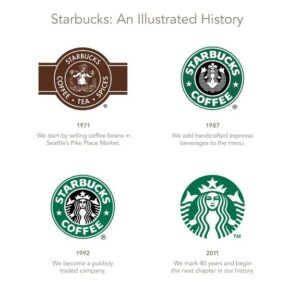
People were confused when Starbucks removed its name from the logo. But the brand was already strong enough. Their symbol said more than the name.
Lesson: Stronger brands use more minimal logos.
Airbnb
Airbnb’s new logo received thousands of memes. Today, the Bélo is considered one of the most meaningful identity symbols in branding.
Lesson: Rebranding means emotion, story, and meaning.
Rebranding Theory Vs Banglalink New Logo 2025
A logo is not a beauty contest entry. Rebranding is judged by strategy, future vision, and how the audience’s mind reacts to change. The table below compares key rebranding principles with how Banglalink’s 2025 logo measures up against them.
| Rebranding Concept | Short Description | Banglalink (2025) Alignment |
|---|---|---|
| Brand Identity Evolution | Rebranding reflects how a brand updates its identity to match its current business reality and future direction. | Yes – The new logo signals a shift toward a digital-first, future-oriented telecom identity. |
| Brand Positioning Shift | A logo change often signals a shift in how the brand wants to be perceived in the market. | Yes – Banglalink is moving from a youthful, energetic image to a more mature, tech-driven brand. |
| Visual Simplification | Modern rebrands simplify logos to ensure clarity across digital screens and small devices. | Yes – The new mark is cleaner, flatter, and more adaptable for digital platforms. |
| Brand DNA Retention | Successful rebranding keeps recognizable elements from the old brand to maintain emotional connection. | Partially – The iconic tiger steps are removed, but the orange color still carries legacy value. |
| Future-Readiness | Logos are redesigned to stay relevant for the next 5–10 years of market and technology changes. | Yes – The identity is designed for long-term relevance in a digital ecosystem. |
| Consistency Across Touchpoints | A rebranded logo must work seamlessly across digital, print, retail, and advertising platforms. | Likely Yes – The simplified system supports consistent use across multiple brand touchpoints. |
| Audience Perception Management | Rebranding considers how customers will emotionally interpret and accept the new identity. | Mixed – Strong reactions suggest the logic was not fully communicated to the audience. |
| Strategic Storytelling | A logo is designed to visually support the brand’s larger story, mission, and vision. | Yes – The new logo aligns with a broader narrative of transformation and future growth. |
The comparison suggests that Banglalink’s rebranding checks most strategic boxes, especially digital readiness and long-term vision. The mixed reactions simply prove one truth of branding: logic lives in boardrooms, but acceptance lives in people’s minds.
Why People Don’t Like Rebranding at First
Most people react negatively to new logos for a few reasons:
- Sudden change without explanation: People feel confused when a brand changes overnight without telling them why.
- Losing the brand’s old DNA: If the new identity removes familiar elements, customers feel the brand has lost its original character.
- New logo looking similar to another brand: A design that feels generic or copied creates doubt and reduces trust.
- Voice and visuals not matching: When the logo says one thing but the communication feels different, the brand becomes unclear.
- Audience not feeling involved in the process: Customers want to feel connected, and when they are not included, they reject the change.
These same points are being discussed in Banglalink’s case as well.
What Big Brands Never Ignore
Successful brands always focus on:
- Future vision: They plan for what the market will look like in the next 5–10 years.
- Customer psychology: They understand how people think, feel, and make decisions.
- Storytelling: They connect with audiences through clear and meaningful stories.
- Minimal but unique design: They keep the visuals simple but ensure the brand still stands out.
- Strong brand recall: They make the identity easy to recognize and hard to forget.
- Real user testing: They test ideas with real customers before finalizing any change.
- Consistent appearance across all platforms: They maintain the same identity everywhere—from digital to print to retail.
Great brands don’t grow by chance. They grow with clarity, strategy, and consistency. When a brand understands its audience and its future, every design choice becomes powerful.
What Rebranding Actually Does
Rebranding is not just “looking new.”
It is a long-term process that includes:
- Changing business direction
- Creating new meaning in the customer’s mind
- Preparing the brand for the next 5–10 years
Stories stay in people’s minds. Design supports the story, but the story is what makes a brand unforgettable.
Guidelines for Brands Thinking About Rebranding
If you plan to rebrand, keep these points in mind:
- Keep the old brand DNA alive
- Build a clear and meaningful story
- Never change anything without research
- Make it modern but avoid generic styles
- Explain the logic behind every change
- Make sure visual identity and brand experience speak the same language
Conclusion
Rebranding is not a simple design task. It is a form of surgery—careful, strategic, and future-focused. When Banglalink or any major brand rebrands, the decision comes from years of research, market study, and a plan to connect with the next generation. At the end of the day, a logo alone does not move people. A story does.
A brand that understands this always survives longer and grows stronger.
About Me

Md. Yusuf
Brand Strategist
Md. Yusuf aka Marketer Yusuf is the best brand strategist crafting research-backed branding and growth-driven campaigns.