

MD. Yusuf - Best Brand Consultant in Bangladesh
I’m Md. Yusuf, aka Marketer Yusuf - a Brand Strategist and Visual Storyteller. I help businesses grow through research-driven branding and marketing campaigns that connect, convert, and inspire.
By Md. Yusuf
Brand
July 19, 2026
Over the past 12+ years, I have had the opportunity to work across a diverse range of industries in Bangladesh, including Lifestyle, Jewellery, Cement, Building Materials, Real Estate, Agro & Fertilizer, Healthcare, Diagnostics, Pharmaceuticals, and Industrial Products & Equipment.
As a Brand Marketing & Communication professional, this journey has exposed me to different customer groups, business models, distribution systems, and market realities.
While every industry operates differently, one common lesson became increasingly clear throughout my career:
Marketing is not about promoting products. It is about understanding people.
The way customers think, buy, trust, and engage with brands varies significantly from one industry to another. These differences have taught me valuable lessons about marketing strategy, consumer behavior, brand building, and business growth in Bangladesh.
In this article, I would like to share some of those experiences and insights from my journey across multiple industries.
As a Brand Marketing Consultant in Bangladesh, I work with businesses across these same industries — helping them build research-backed brand strategies, sharpen market positioning, and design growth-driven campaigns based on the exact lessons I share below. Everything in this article reflects the kind of hands-on, industry-specific thinking I bring into every client engagement.
My Brand Marketing Journey across Diverse Industries
Before diving deeper into my experiences, the following table provides a quick overview of how marketing priorities differ across industries in Bangladesh.
| Industry | Core Marketing Nature | Key Focus Area |
| Lifestyle & Jewellery | Emotional Branding, Aspiration-Driven | Trust & Premium Positioning |
| Cement & Building Materials | Utility & Performance Focus | Dealer & Trade Marketing |
| Real Estate | High-Involvement Decision Making | Trust & Transparency |
| Agro & Fertilizer | Rural Communication | Farmer Education & Field Activation |
| Healthcare & Pharmaceuticals | Credibility Building | Patient Trust & Ethical Communication |
| Industrial Products | Technical Product Education | B2B Relationship Building |
Lifestyle & Jewellery Industry
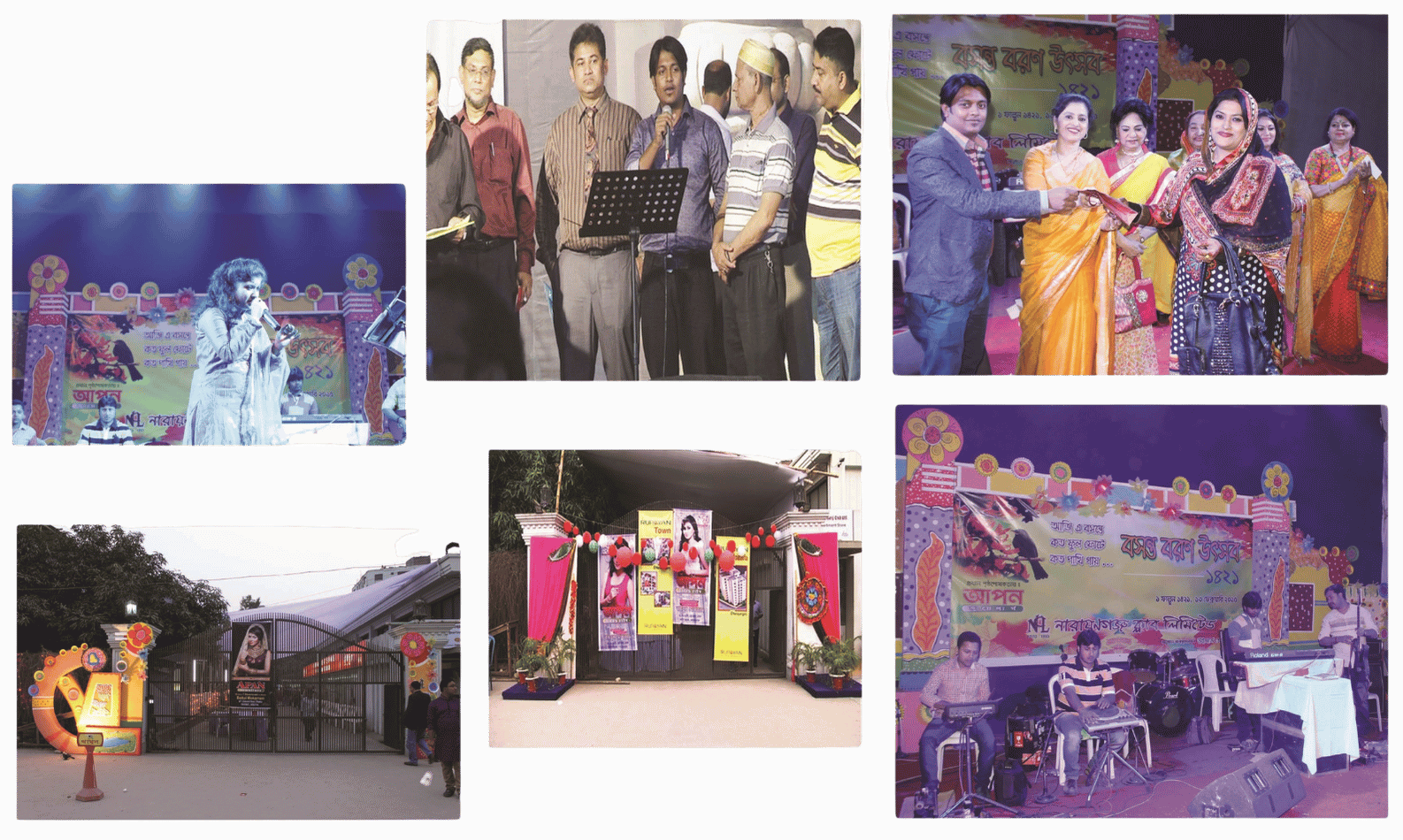
My professional journey began in the lifestyle and jewellery industry, where I had the opportunity to work with one of Bangladesh’s leading Jewellery brands Apan Jewellers.
This industry taught me that customers rarely buy products alone. They buy emotions, aspirations, social recognition, and memories. Festivals, weddings, achievements, and family traditions often influence purchasing decisions more than product features.
At the same time, trust and brand reputation play a crucial role because customers are making high-value purchases.
Marketing Nature:
- Emotional Branding
- Aspiration-Driven Communication
- Trust & Reputation
- Customer Relationship Building
- Premium Brand Positioning
If you’re building a brand in the lifestyle or jewellery space, this is the kind of emotion-driven, trust-first strategy I bring to client projects.
Cement & Building Materials Industry

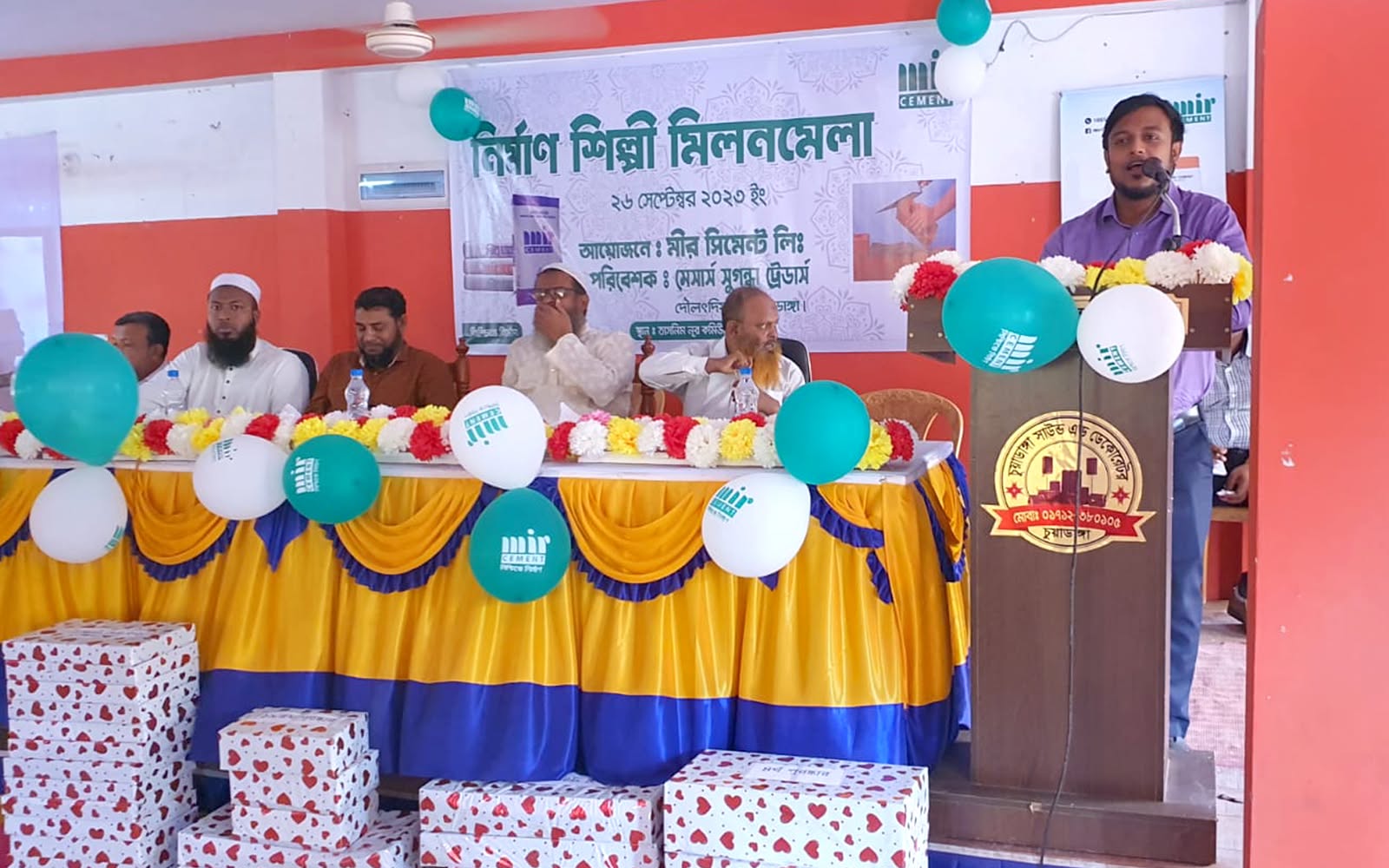
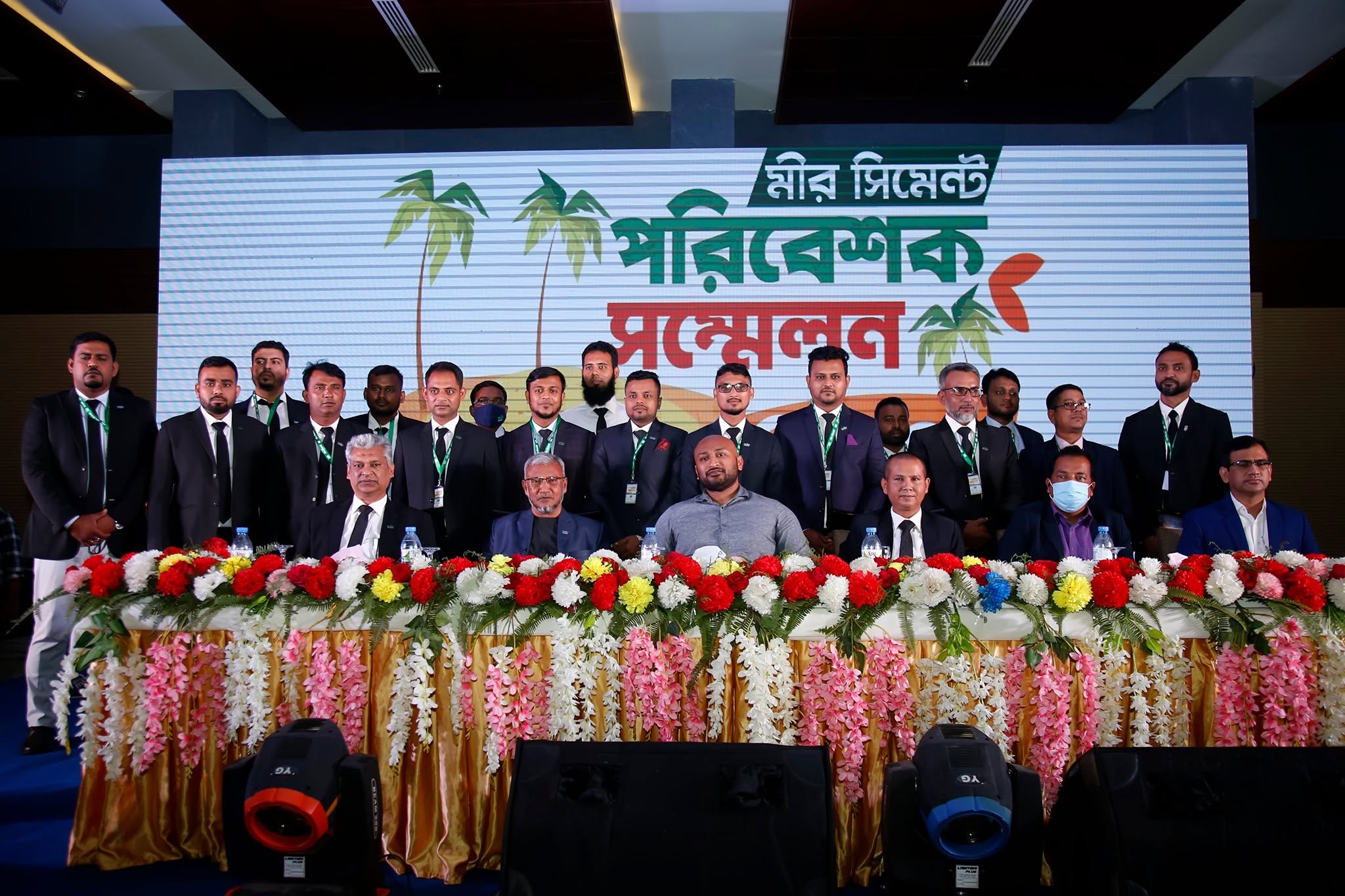
Among all the industries I have worked in, the cement and building materials sector remains one of my personal favorites.
I spent nearly seven years working with Mir Cement Ltd, Mir Concrete Block Ltd, Mir Ready-mix Concrete Ltd, and other construction-related products of Mir Group of Companies Ltd.. What makes this industry unique is that purchase decisions are influenced by multiple stakeholders including dealers, engineers, architects, contractors, and end users.
One of my biggest learning was that strong branding alone cannot guarantee success. Distribution strength, dealer relationships, product availability, and market trust often create a bigger competitive advantage.
Marketing Nature:
- Utility & Performance Focus
- Durability Communication
- Dealer & Influencer Marketing
- Mass Market Branding
- Trust Building
- Trade Marketing
- Distribution Power
If you’re marketing a cement, concrete, or building materials brand, this distribution-first, trust-driven approach is exactly the kind of strategy I help clients build.
Real Estate Industry
Real estate has also been a major part of my professional journey through both Apan Real Estate and Mir Real Estate.
Unlike many industries, real estate involves one of the most important financial decisions in a person’s life. Customers are not simply purchasing a property; they are investing in their future lifestyle, security, and aspirations.
This makes trust, transparency, project credibility, and brand reputation critical factors in marketing success.
Marketing Nature:
- High-Involvement Decision Making
- Trust-Based Marketing
- Lifestyle Aspiration
- Transparency & Credibility
- Long-Term Relationship Building
If you’re developing a real estate brand in Bangladesh, this is the credibility-and-trust framework I apply when working with property developers.
Agro & Fertilizer Industry
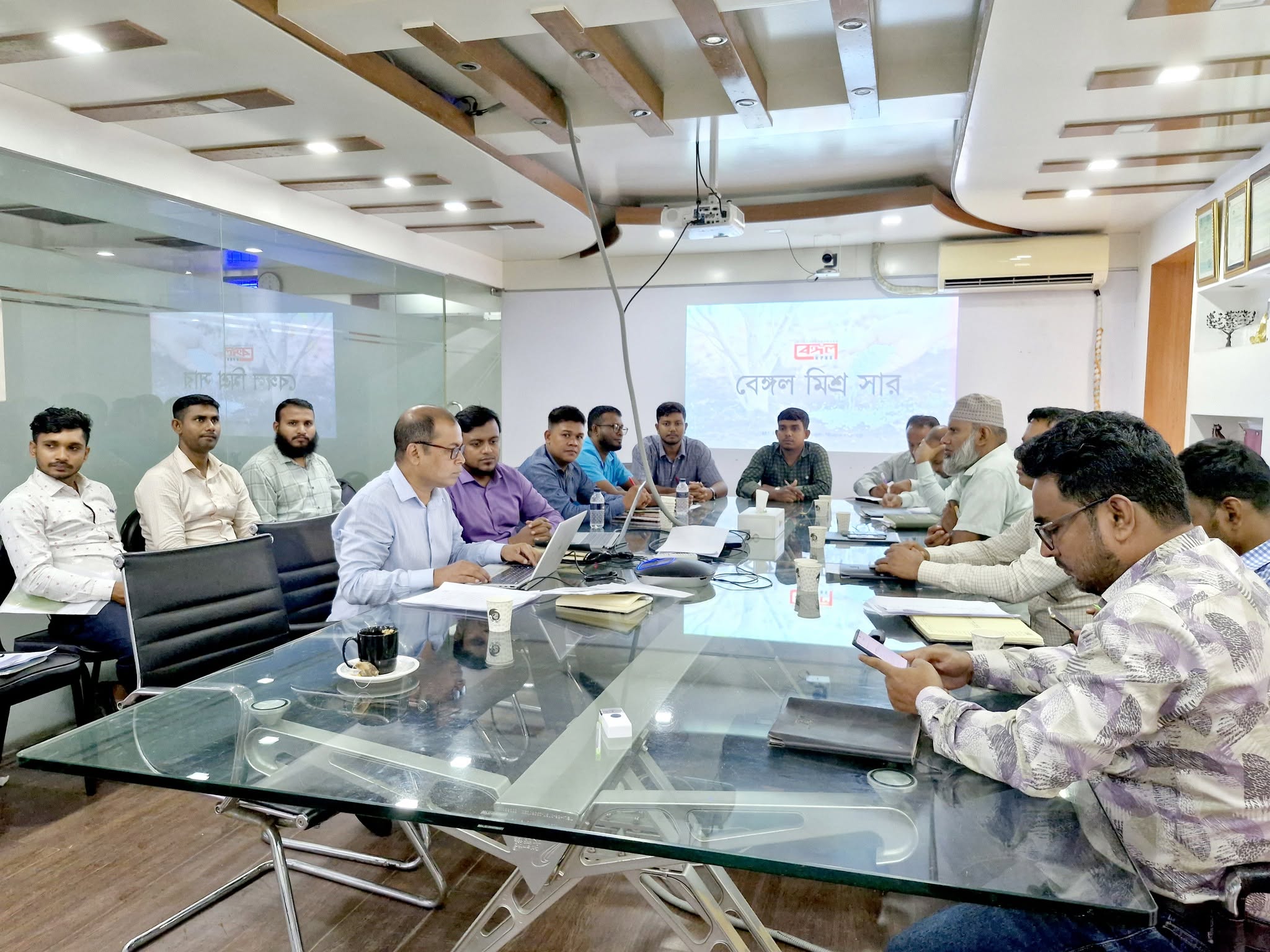
My experience in the agro and fertilizer industry provided some of the most unique learning opportunities in my career.
Working closely with farmers, dealers, retailers, and agricultural stakeholders helped me understand the realities of rural Bangladesh. Farmers are highly practical decision-makers. They rely more on proven field results, demonstrations, and recommendations than promotional messages.
This industry taught me the importance of grassroots communication and field engagement.
Marketing Nature:
- Rural Communication
- Farmer Education
- Dealer Relationship Management
- Demonstration Marketing
- Field Activation
- Ground-Level Reliability
- Distribution Strength
If you’re marketing an agro or fertilizer brand, this grassroots, farmer-first communication approach is central to how I design campaigns for this sector.
Healthcare & Pharmaceuticals Industry
The healthcare sector introduced me to one of the most trust-sensitive environments in marketing.
Through my involvement with pharmaceuticals, diagnostic centres, stem cell services, and healthcare brands, I learned that patients often trust expertise before they trust institutions.
Success in healthcare marketing requires balancing credibility, patient education, service quality, and ethical communication.
In this industry, trust is not just a marketing objective — it is the foundation of the brand itself.
Marketing Nature:
- Credibility Building
- Patient Trust
- Service Quality Perception
- Community Awareness
- Ethical Communication
- Experience-Driven Marketing
- Personal Expert Branding
If you’re building a healthcare, diagnostics, or pharmaceutical brand, this credibility-and-trust-driven strategy is exactly what I bring to client projects in this space.
Industrial Products Industry
My industrial marketing experience includes industrial gas solutions, welding machines, welding consumables, industrial equipment, and fire safety systems.
Unlike consumer products, purchasing decisions in industrial markets are largely driven by technical requirements, operational efficiency, safety standards, reliability, and after-sales support.
One important lesson I learned is:
“Technical superiority alone is not enough; customers need confidence and support.”
Successful industrial marketing requires combining technical education with long-term relationship building.
Marketing Nature:
- Safety Communication
- Technical Product Education
- B2B Decision Making
- Reliability & Consistency
- Solution-Based Marketing
- Long-Term Relationship Building
If you’re marketing industrial or B2B products, this technical-education-plus-relationship approach is the kind of strategy I help clients implement.
What These Industries Taught Me about Marketing in Bangladesh
Working across multiple industries over the last 12+ years has given me a unique perspective on how marketing actually works in Bangladesh. While textbooks often present marketing as a structured process, the reality on the ground is much more dynamic. Customer behavior, decision-making patterns, distribution systems, and communication preferences vary significantly from one industry to another.
However, despite these differences, several important lessons consistently emerged throughout my journey.
Marketing Is Never One-Size-Fits-All
Perhaps the biggest lesson I learned is that there is no universal marketing formula that works across every industry.
A campaign that performs exceptionally well in the Jewellery industry may completely fail in the fertilizer market. Similarly, strategies that generate leads in real estate may have little impact in industrial product marketing.
Every industry has its own buying behavior, customer expectations, communication style, and decision-making process. Successful marketers must adapt their strategies to fit the realities of the industry rather than trying to apply the same playbook everywhere.
Consumer Behavior Changes across Industries
One of the most fascinating observations throughout my career has been how differently people make purchasing decisions.
In the Jewellery industry, emotions, aspirations, and social value often drive purchases.
In real estate, trust and long-term financial security become key decision factors.
In healthcare, credibility and professional reputation influence customer choices.
In industrial and B2B sectors, customers focus heavily on technical performance, reliability, and after-sales support.
This experience taught me that understanding customer psychology is often more important than understanding the product itself.
Distribution Is Often More Powerful Than Advertising
Many marketers focus heavily on advertising, but several industries taught me that visibility alone does not guarantee success.
In sectors such as cement, building materials, fertilizer, and industrial products, strong distribution networks often outperform large advertising budgets.
Customers cannot buy a product that is unavailable when they need it.
Dealer relationships, channel development, logistics efficiency, and market coverage often become critical competitive advantages. In many cases, distribution strength determines market leadership long before advertising does.
Trust Is the Common Currency across All Industries
If there is one factor that consistently influences success across every industry I have worked in, it is trust.
Customers may buy a product once because of a promotion, but they return because of trust.
Whether it is a Jewellery customer investing in gold, a homeowner selecting cement, a farmer choosing fertilizer, a patient visiting a diagnostic center, or a factory purchasing industrial equipment, trust remains a decisive factor.
The way trust is built may vary by industry, but its importance remains universal.
Education Often Outperforms Promotion
One of the most valuable lessons from the agro, fertilizer, healthcare, and industrial sectors is that customer education often creates stronger results than direct promotion.
Farmers want to understand how a product improves yield.
Industrial customers want to know how a solution improves efficiency.
Healthcare consumers seek reliable information before making decisions.
In these industries, helping customers understand the value of a product often generates greater impact than simply promoting features or discounts.
Digital Marketing Is Powerful, But Not Always Enough
The rise of digital marketing has transformed the marketing landscape in Bangladesh. However, my experience across industries has shown that digital marketing is a powerful tool, not a complete solution.
For lifestyle, beauty, healthcare, and real estate brands, digital platforms can significantly influence awareness and lead generation.
However, in industries such as fertilizer, cement, industrial products, and B2B services, field activation, dealer engagement, relationship building, and physical presence continue to play a crucial role.
The most effective marketing strategies often combine digital and offline efforts rather than relying solely on one channel.
Bangladesh Is Not One Market
Another important realization is that Bangladesh should never be viewed as a single, homogeneous market.
Consumer behavior in Dhaka differs significantly from behavior in rural districts.
Urban customers often seek convenience, lifestyle, and experience.
Rural customers frequently prioritize practicality, value, accessibility, and recommendations from trusted sources.
Similarly, B2B customers think differently from B2C consumers, and trade partners evaluate brands differently from end users.
Understanding these differences is essential for developing relevant and effective marketing strategies.
Integrated Marketing Creates Stronger Brands
Throughout my career, I have seen the greatest results when multiple marketing disciplines work together.
Advertising creates awareness. Trade marketing improves availability. Digital marketing drives engagement. Public relations builds credibility. Field activation creates experience. Sales teams strengthen relationships.
When these functions operate in alignment, brands become stronger, more consistent, and more sustainable.
Marketing is most effective when it is integrated rather than isolated.
Why I Am Starting This Industry Marketing Series
Most marketing content available online focuses on theories, global case studies, and international brand examples.
While these are valuable, Bangladesh has its own market dynamics, consumer behaviour, distribution systems, and business realities.
Through this blog series, I want to share practical industry-specific marketing insights based on real-world experience across multiple sectors.
In future articles, I plan to explore topics such as:
- Cement Brand Marketing in Strategy Bangladesh
- Building Materials Marketing Strategy
- Trade Marketing in Bangladesh
- Dealer Network Development Strategy
- Real Estate Marketing Strategy in Bangladesh
- Agro Marketing & Farmer Engagement
- Healthcare Marketing in Bangladesh
- Beautification Product Branding
- Industrial Product & B2B Marketing
- ATL vs BTL vs Digital Marketing
- Consumer Behavior in Bangladesh
- Brand Building in Bangladesh
- Marketing Career Lessons
- Brand Communication Strategy
My goal is simple: to contribute practical knowledge that marketers, business leaders, entrepreneurs, and students can apply in the Bangladesh market.
How I Can Help Your Brand
Beyond sharing these insights, I also work directly with businesses across Bangladesh to build stronger, research-backed brands. Based on the experience above, here is how I can help:
- Brand Strategy & Positioning — Defining a clear, differentiated position for your brand in a crowded market.
- Brand Consultancy — Ongoing strategic guidance for founders, marketing teams, and business leaders.
- Brand Research — Consumer insight and market research to guide data-backed branding decisions.
- Brand Communication Planning — Crafting messaging frameworks tailored to your industry’s specific buying behavior.
- Trade & Distribution Marketing — Building dealer, retailer, and channel strategies for industries where availability drives sales.
- Campaign Development (ATL/BTL/Digital) — Designing integrated marketing campaigns across advertising, trade, and digital channels.
Whether you’re in jewellery, real estate, industrial products, healthcare, agro, or building materials, these are the exact frameworks I apply — shaped by 12+ years of hands-on experience across these sectors.
The Most Valuable Lesson from 12+ Years in Brand Marketing
Looking back at my journey across multiple industries, I have realized that products change, industries evolve, technologies advance, and marketing channels continue to transform.
However, one thing remains constant: people.
Whether it is a customer purchasing jewellery, a farmer choosing fertilizer, a family investing in real estate, a patient seeking healthcare services, or an industrial buyer evaluating technical solutions, every decision is ultimately driven by trust, value, and human behavior.
The strongest brands are not always the ones with the biggest budgets or the loudest campaigns. They are the brands that understand their customers better, solve real problems, and build trust consistently over time.
Working across diverse industries has taught me that successful marketing is never about applying a universal formula. It is about understanding the realities of each market, adapting to customer needs, and creating meaningful connections.
If there is one lesson that summarizes my entire journey, it is this:
Marketing is not about promoting products. It is about understanding people.
And perhaps that is the most valuable lesson any marketer can learn.
Frequently Asked Questions
What does a brand marketing consultant in Bangladesh actually do?
A brand marketing consultant helps businesses define their brand positioning, understand their target customers, and design campaigns that build trust and drive growth. This typically includes brand research, strategy development, communication planning, and guidance across advertising, trade, and digital channels — tailored to the specific industry a business operates in.
Why does brand marketing strategy differ across industries in Bangladesh?
Because customer behavior, purchase involvement, and trust factors vary significantly by industry. A jewellery buyer makes an emotional, aspiration-driven decision, while an industrial buyer evaluates technical specifications and reliability. Effective brand marketing has to be adapted to how each industry’s customers actually think and decide.
Which industries need the most trust-driven branding in Bangladesh?
Industries involving high-value or high-involvement decisions — such as real estate, healthcare, pharmaceuticals, and jewellery — depend heavily on trust-driven branding, since customers are making significant financial or personal-wellbeing commitments.
How important is distribution in brand marketing for Bangladesh?
Distribution is often as important as, or more important than, advertising in sectors like cement, building materials, agro, and industrial products. Strong dealer networks, channel relationships, and product availability frequently determine market leadership more than advertising spend alone.
What makes a brand marketing strategy effective in the Bangladesh market?
An effective strategy integrates multiple disciplines — advertising for awareness, trade marketing for availability, digital marketing for engagement, and field activation for direct customer connection — while adapting to the specific behavior of urban and rural customers, and B2B versus B2C audiences within Bangladesh.
About the Author
Md. Yusuf, aka Marketer Yusuf, is the best brand strategist crafting research-backed branding and growth-driven campaigns. With 12+ years of experience spanning Jewellery, Cement, Real Estate, Agro, Healthcare, and Industrial sectors — including roles at Apan Jewellers, Mir Group of Companies, and Noapara Group — he helps businesses across Bangladesh build brands that connect, convert, and grow.
Connect with me through Social Media:
About Me

Md. Yusuf
Brand Strategist
Md. Yusuf aka Marketer Yusuf is the best brand strategist crafting research-backed branding and growth-driven campaigns.